


Of course. Here is a comprehensive overview of DedeCMS (often referred to as DEDE), one of the most well-known and historically significant Content Management Systems (CMS) in the Chinese-speaking world.

What is DedeCMS?
DedeCMS (织梦内容管理系统) is a free, open-source content management system written in the PHP programming language and using a MySQL database. Its name, "织梦," translates to "Weaving Dreams," reflecting its goal of making website creation and management accessible to everyone.
It was first released in 2004 by a developer named "IT柏拉图" (Plato) and quickly became the dominant CMS for building personal blogs, small business websites, portals, and news sites in China due to its simplicity and powerful features.
Key Characteristics:
- Free and Open Source: It's free to use and modify.
- PHP + MySQL: A classic and widely supported web technology stack.
- Template-Based: Uses a simple template engine (
{dede:...}tags) for separating content from design. - Feature-Rich for its Time: Came with a large number of built-in functions out of the box.
- Extensive Plugin Ecosystem: A huge marketplace of plugins and modules (called "软件" or "模块") allowed for easy expansion.
Core Features and Strengths (Especially in its Prime)
DedeCMS was famous for providing a "one-click" solution for many common website needs.
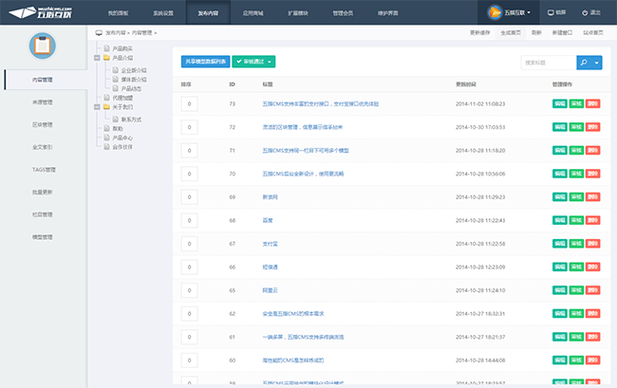
A. Powerful Content Management
- Flexible Article System: Could manage articles, downloads, images, and products with different models (模型).
- Arbitrary Fields (自由字段): A revolutionary feature at the time. You could add custom fields to any content type without touching the database. For example, for a product, you could add fields for "Brand," "Model Number," and "Warranty."
- Content Tagging (关键词): Automatic and manual keyword tagging, which helped with internal linking and SEO.
B. SEO-Friendly (for its era)
- URL Rewriting: Supported clean, search-engine-friendly URLs (e.g.,
/a/2025/12345.html). - Static Page Generation: Its most famous feature. DedeCMS could generate HTML pages from its database. This made websites extremely fast to load for visitors and reduced server load, which was a huge advantage over dynamic PHP sites at the time.
- Sitemap Generation: Could automatically generate XML and HTML sitemaps.
C. User and Permission Management
- Multi-level User Roles: Allowed for creating different user groups with specific permissions (e.g., Editors, Contributors, Admins).
- Member System: A built-in member center that allowed users to register, log in, and submit content (which an admin could then approve).
D. Template System
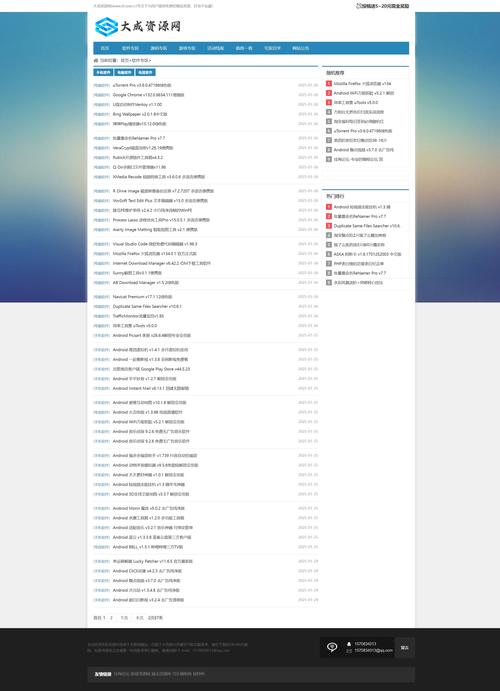
- Simple Tags: Used tags like
{dede:arclist titlelen='30' row='10'}to pull content from the database into a template. This was much easier for non-developers than writing raw PHP/SQL. - Separation of Concerns: Designers could work purely on the HTML/CSS templates without needing to understand the backend PHP code.
E. Rich Plugin Ecosystem
- The official DedeCMS website had a massive library of free and paid plugins for almost anything imaginable:
- E-commerce (Shop modules)
- Forums (Integration with Discuz! was common)
- Image galleries
- Guestbooks
- Job boards
- And much more.
The Decline and Current State of DedeCMS
While DedeCMS was a giant in its time, its dominance has significantly waned since the mid-2010s. The reasons for its decline are critical to understanding its place today.
A. Reasons for Decline:
-
Security Vulnerabilities: This is the single biggest reason for DedeCMS's fall from grace.
- Due to its age and widespread use, it became a primary target for hackers.
- Many vulnerabilities were found in the core system and, more often, in poorly written third-party plugins.
- A compromised DedeCMS site could easily become a spamming bot, a phishing site, or distribute malware, earning it a reputation for being insecure.
-
Outdated Technology:
- Codebase: The core codebase is considered outdated by modern standards, lacking the architectural patterns (like MVC) of newer frameworks.
- PHP Version: It's not always compatible with the latest versions of PHP, which can cause performance issues or security risks on modern hosting environments.
-
Rise of Modern Alternatives:
- WordPress: Offered a more robust, secure (by comparison), and user-friendly experience with a much larger and more active global community.
- PHP Frameworks (Laravel, ThinkPHP): Developers increasingly preferred to build sites from modern frameworks that offered more flexibility, better security practices, and cleaner code.
- Headless CMS / Decoupled Architectures: The trend of separating the backend (content repository) from the frontend (display) left DedeCMS's monolithic architecture behind.
-
Stagnation in Development:
The core development of DedeCMS slowed down significantly. While new versions were released, they often failed to address the fundamental security and architectural issues that plagued the system.
B. Current Status (2025):
- Niche Use: DedeCMS is no longer a mainstream choice for new websites. However, it still exists on millions of websites, particularly older ones in China that haven't been updated.
- Legacy System: For many, it's now considered a "legacy system." The primary focus for developers is often maintenance, security hardening, and migration away from it.
- Still Used for Simple Sites: Some very simple, non-critical, and internal websites might still be built on it, but it's generally not recommended for any new public-facing project.
- Community: The official community is much smaller than it once was, though some forums and developer groups still offer support for maintaining existing sites.
DedeCMS vs. WordPress (A Key Comparison)
| Feature | DedeCMS (Classic) | WordPress |
|---|---|---|
| Target Audience | Chinese market, users wanting a "one-click" solution with pre-built features. | Global market, extremely flexible for all types of sites (blogs, e-commerce, portfolios). |
| Core Philosophy | "All-in-one" portal system with built-in models. | "Paving" (铺路) philosophy - a simple core that you extend with plugins. |
| Security | Historically very vulnerable. Requires constant vigilance and updates. | Generally more secure due to a larger security team and rigorous plugin review process (for official directory). Still requires best practices. |
| Ecosystem | Massive plugin library, but mostly focused on the Chinese market. Quality can be inconsistent. | Massive global plugin and theme ecosystem. High-quality, well-supported options are abundant. |
| Ease of Use | Simple for basic tasks, but the backend can feel dated and clunky. | Extremely intuitive and user-friendly for both content editors and administrators. |
| Development | Stagnant. Considered outdated. | Highly active, constantly evolving, and backed by a massive community. |
Conclusion
DedeCMS was a pioneer that empowered millions of people in China to build their own websites during a crucial period of internet growth. Its features, especially static page generation and arbitrary fields, were groundbreaking for its time.
However, due to critical security flaws, an outdated codebase, and the rise of more modern and secure alternatives like WordPress, DedeCMS has largely faded from the spotlight.
Today, its role is primarily that of a legacy system. If you encounter a DedeCMS site, your main concerns should be security and maintenance. For any new website project, there are far better, safer, and more modern options available.